
In recent years, many cities in India have been experiencing hotter summers and longer heatwaves. Urban areas tend to feel even warmer than surrounding rural regions due to dense construction, traffic, and reduced green cover. This situation is linked to what scientists call the urban heat island effect, where cities trap more heat because of concrete structures, asphalt roads, and limited vegetation.
This rising urban temperature is not just uncomfortable. It directly affects public health, increases electricity use for cooling, and puts pressure on water and energy resources. In a country like India, where many cities already face heat stress, finding practical ways to cool urban environments has become increasingly important.
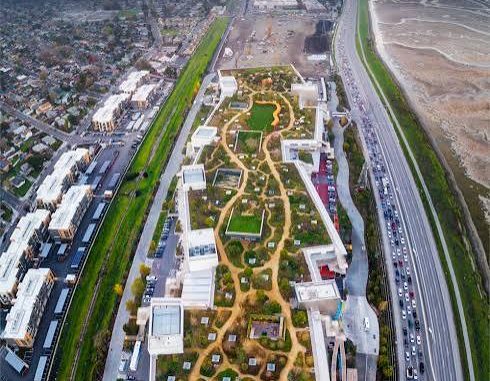
One of the most effective solutions is increasing green spaces within cities. Parks, gardens, roadside trees, and green belts help lower temperatures naturally. Trees provide shade and also release moisture into the air through a process called evapotranspiration, which helps cool the surrounding environment. Cities like Bengaluru and Pune, which have relatively higher tree cover, often show better microclimate conditions compared to highly concrete-dominated cities.
Another useful approach is the use of cool roofs and reflective surfaces. Light-coloured or specially coated rooftops reflect sunlight instead of absorbing it, keeping indoor temperatures lower. In several Indian cities, including Ahmedabad, cool roof programs have been introduced on a pilot basis, showing noticeable reductions in indoor heat and electricity demand for cooling.
Urban planning also plays a major role in controlling heat. Materials used in roads and pavements can make a difference. Reflective and permeable pavements reduce heat buildup and allow better water absorption during rains. Some Indian municipalities are beginning to explore such alternatives, especially in newly developed urban zones.
Technology is also supporting these efforts. Smart shading systems, better building designs, and climate-based urban planning tools are helping architects and planners design cooler cities. These tools allow authorities to identify heat-prone zones and plan interventions more effectively.
International examples also offer useful lessons. Cities like Singapore have expanded green roofing projects, while Melbourne has focused on increasing urban forest cover. India can adapt similar ideas based on local climate conditions and population density.
As urban temperatures continue to rise, Indian cities need a combined approach that includes green infrastructure, smarter building design, and better planning policies. A cooler city is not only more comfortable but also healthier and more sustainable for the future.
Matter referenced from:
Pravit Kochar. 2024. Keeping Cities Cool As Climate Warms Up. https://emagazine.com/keeping-cities-cool-as-climate-warms-up/
By: Dr. Bhawana Asnani.
Happy to see Reviews, Additions, Suggestions and Comments, further.
