
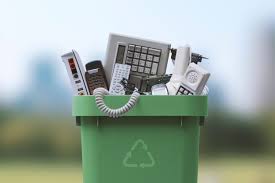
The global production of electronic waste—or “e-waste”—is increasing by 2.6 million tons each year and is projected to reach a staggering 82 million tons by 2030. This waste includes discarded smartphones, laptops, servers, and other electronic devices that have reached the end of their usable lives. Although recycling is often promoted as the ideal solution, it is a complex, resource-intensive process that requires specialized equipment and considerable energy to safely handle hazardous materials. A more practical and sustainable alternative is ‘repurposing’ technology. By refurbishing and reusing electronic devices, organizations and individuals can extend the lifespan of technology, conserve valuable resources, and reduce financial costs.
Repurposing helps preserve critical raw materials, such as rare earth minerals and precious metals, that are otherwise extracted at significant environmental and human costs. Reallocating or upgrading hardware within an organization, rather than purchasing new equipment, minimizes waste and extends the life of existing components. Major tech companies, operate take-back programs that refurbish and redistribute outdated hardware. Non-profit organizations such as TechSoup, Good360, and Computers with Causes also play a vital role by channeling refurbished electronics to schools, charities, and under-served communities. Despite these efforts, e-waste remains one of the fastest-growing waste streams globally. Alarmingly, less than 25% is recycled properly. Many discarded devices contain harmful substances such as lead, mercury, and cadmium, which can contaminate soil and water and are associated with serious health risks, particularly among vulnerable populations.
In addition to environmental benefits, repurposing technology offers economic advantages. Consumers can trade in or sell used devices through online platforms or through manufacturer trade-in programs. Leasing options provide access to up-to-date technology without the burden of frequent disposal. And with a little creativity, old gadgets can be transformed into useful new tools—for example, turning a tablet into a digital recipe book or repurposing a laptop as a home media server. Public policy is also beginning to reflect this shift. The European Union’s Right to Repair initiative exemplifies a growing commitment to sustainable electronics. As the global e-waste crisis escalates, adopting a mindset of reuse and responsibility is not just beneficial—it’s essential. Whether through donating, refurbishing, or creatively repurposing outdated devices, consumers and businesses alike can play a significant role in reducing environmental impact, saving money, and building a more sustainable digital future.
By: Dr. Bhawana Asnani.
Happy to see Reviews, Additions, Suggestions and Comments, further.
